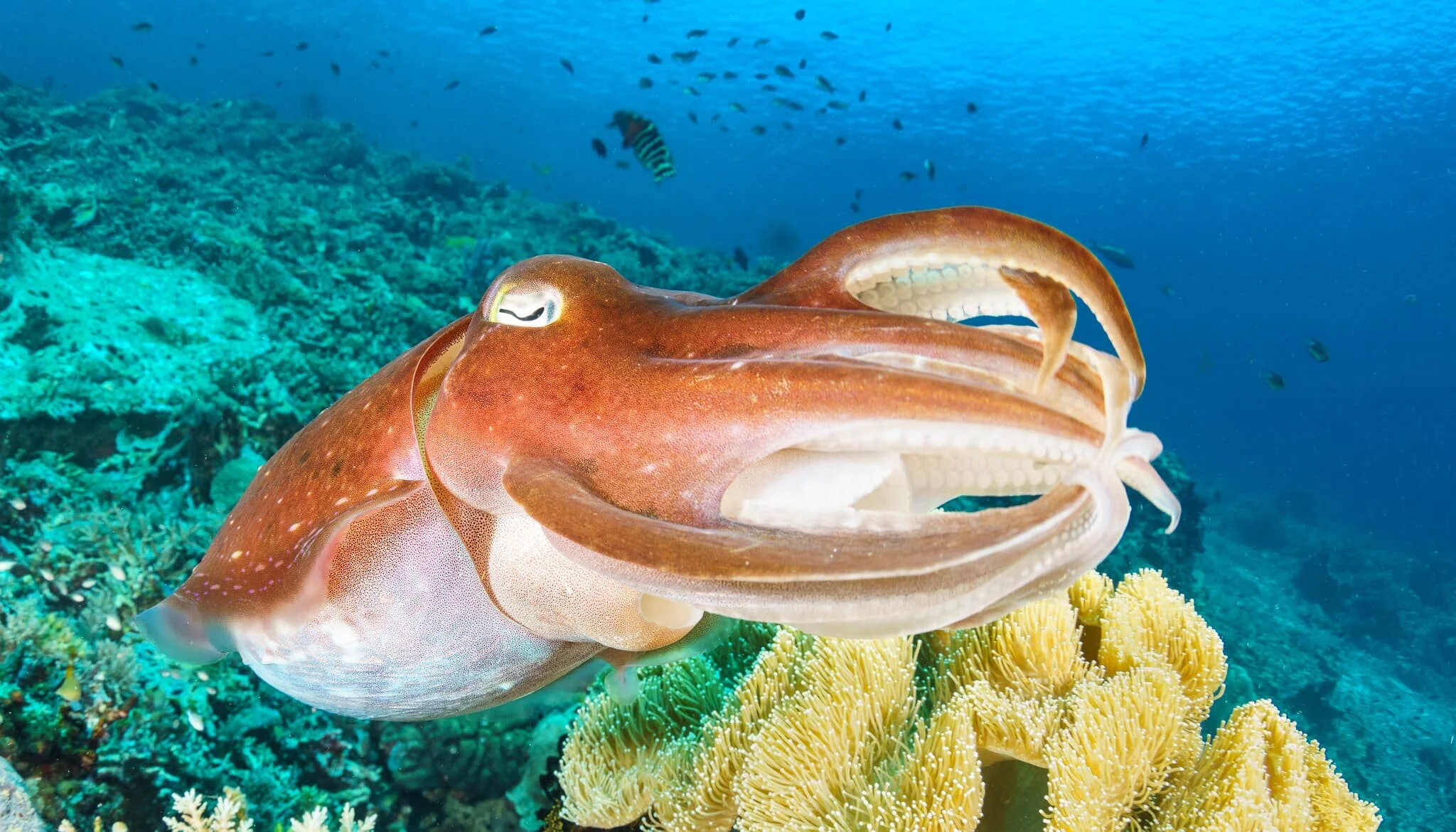
Diving Komodo National Park, Indonesia: There Be Dragons
Author: Simon Pierce
Published: October 9, 2020 | Modified: June 13, 2023
As a lifelong reptile enthusiast, diving Komodo National Park has been on my radar for, well, all my life. Based in Nusa Lembongan during the southern hemisphere winter, the opportunity to visit Scuba Junkie Komodo provided the perfect chance to combine personal passion with professional marine research obligations.
Komodo National Park: Marine Biodiversity Overload
Komodo National Park was established in 1980 to conserve the Komodo dragon (Varanus komodoensis), the world’s largest lizard species. The park encompasses five islands where these creatures persist: Komodo, Rinca, and two smaller islands. A population previously existed on Padar Island but disappeared around 1980, likely due to poaching of prey species.
Marine protection extended to the surrounding waters in 1984. The region falls within the Coral Triangle, which despite covering only 1.6% of the world’s ocean, contains 76% of all coral species, more than 3,000 fish species, and the world’s largest mangrove forest areas.
Diving Komodo: Marine Life Encounters
Manta Rays and Biodiversity
Reef manta rays grow to approximately 5 meters across their “wings.” The Marine Megafauna Foundation has documented Komodo as home to one of the world’s largest manta ray populations. Over 900 individual manta rays have been identified within Komodo National Park, with several individuals also documented at Nusa Penida, approximately 450 kilometers away.
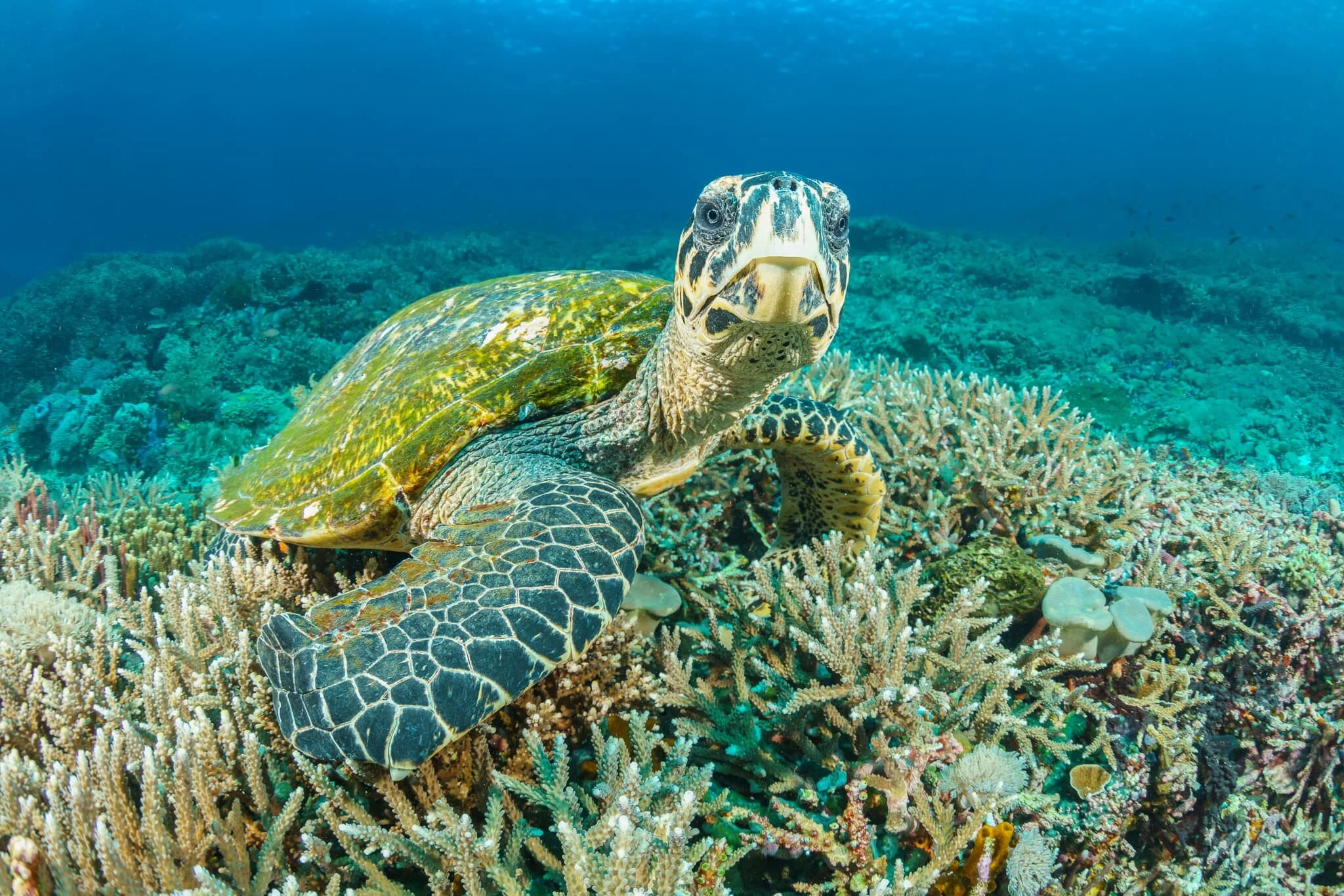
The diving offers diverse experiences beyond large pelagic species, including:
- Sea turtles (hawksbill and others)
- Cuttlefish and nudibranchs
- Macro photography opportunities (“muck diving” sites)
- Soft coral gardens
- Sponge-covered walls
The Scuba Junkie Komodo Dive Resort
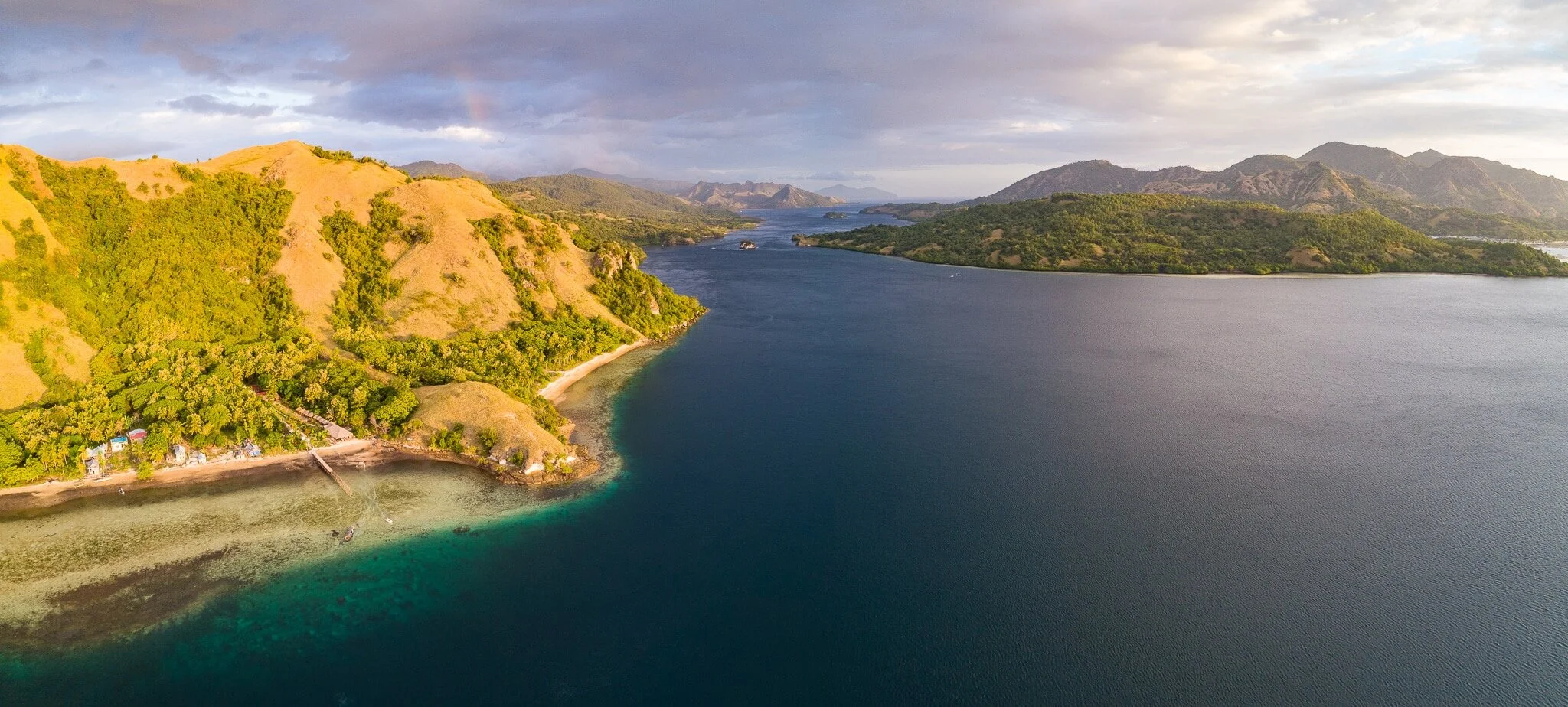
Located on Flores Island at the boundary of Komodo National Park, Scuba Junkie Komodo operates as a relatively new facility with experienced staff familiar with local conditions, currents, and dive sites.
Environmental Commitment
Scuba Junkie operates Scuba Junkie SEAS, an environmental team maintaining:
- Turtle hatchery and rehabilitation center in Mabul, Malaysia
- Marine debris cleanup programs
- Marine education initiatives
- Support for research and conservation efforts
Diving Operations
The resort uses two boats departing at 6-7 AM daily. Operations include:
- Initial checkout dive on house reef
- Three dives per day from boat operations
- Breakfast served aboard
- Return by 4-5 PM
- Vegetarian and carnivore buffet meals
- 4G mobile reception through most of the park
- Upper deck with shade and seating areas
- Evening bat tours available
- Dragon tours on Rinca Island included with departure
Visiting the Komodo Dragons on Rinca Island
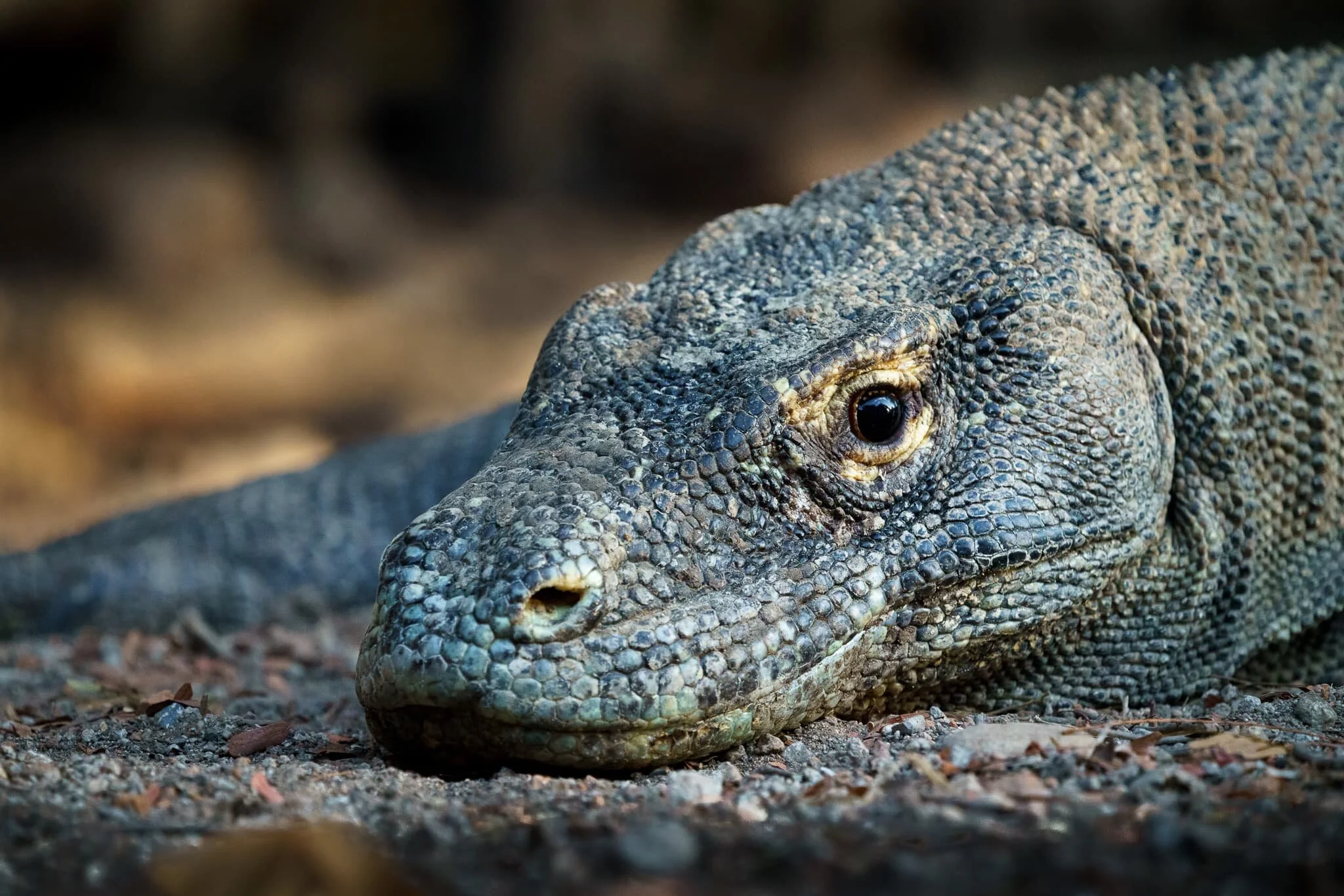
Dragon Biology and Facts
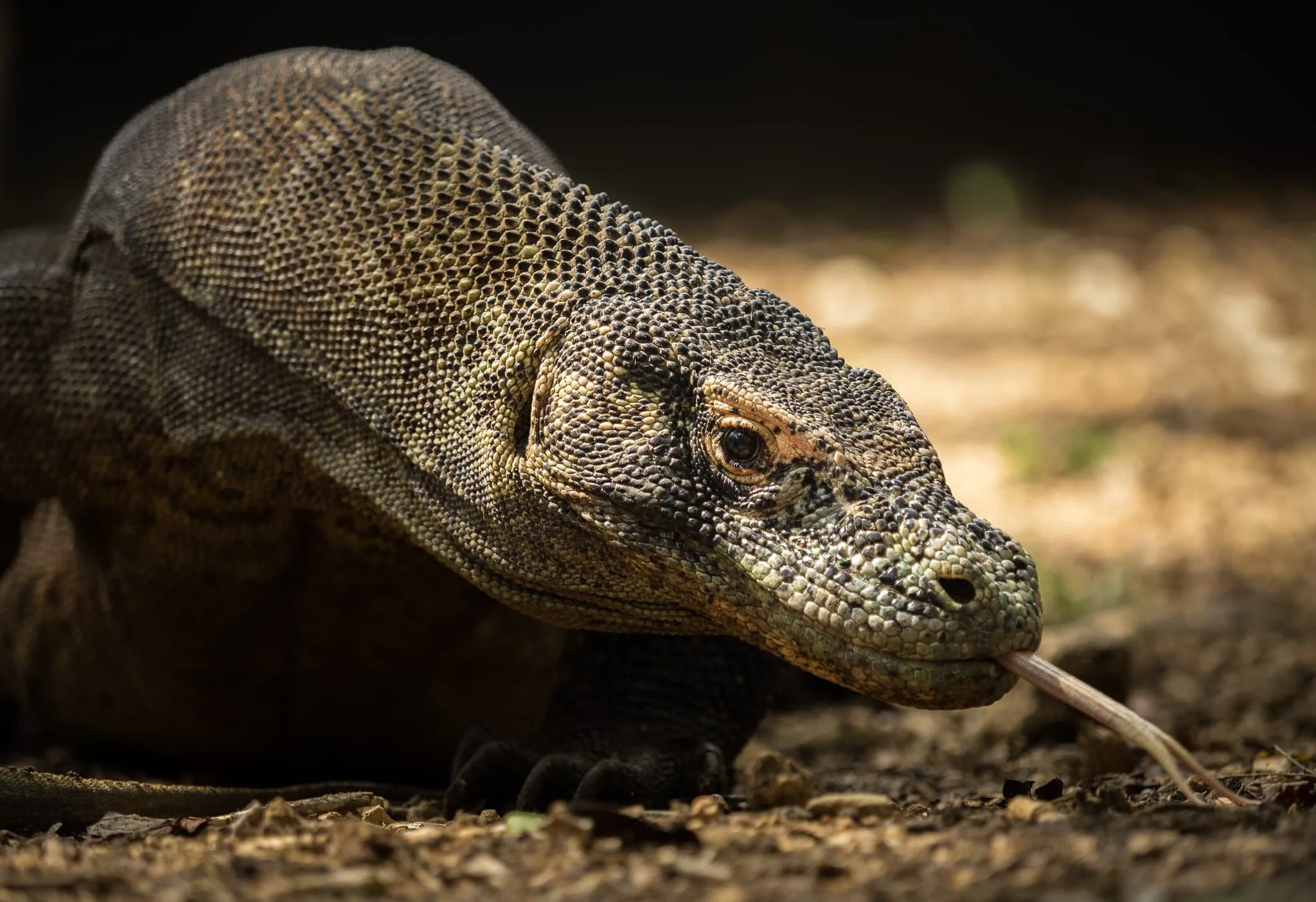
The Komodo dragon represents the surviving member of a once-larger Australian monitor lizard lineage. Key facts include:
- Komodo dragons evolved in Australia alongside Megalania (Varanus priscus), a 7-meter species that went extinct approximately 50,000 years ago
- Dragons likely colonized the Komodo region about 1 million years ago, coexisting with early humans, Homo floresiensis (“hobbits”), dwarf elephants, and giant tortoises
- Venom status remains debated among scientists, though recent research suggests they may lack true venom
- Monitor lizard eyes contain only cone cells, making them effectively blind at night
- Approximately 2,500 dragons inhabit Komodo National Park, with fewer than 1,200 on Komodo Island itself
- Small island populations grow to only about 20 kilograms compared to 80 kilograms on larger islands
- Gili Motang supports approximately 100 individuals, severely inbred with estimates suggesting only one dragon swims to the island every 50 years
- Dragons undergo major behavioral shifts at approximately 20 kilograms, transitioning from active hunting of small prey to ambush hunting of large animals (deer, wild pigs, buffalo)
- Smaller dragons hide in trees to avoid cannibalism by larger individuals
- Two captive females in UK zoos (London Zoo and Chester Zoo) separately laid viable eggs without mating, demonstrating parthenogenesis capability
- The 1926 capture of Komodo dragons for the Bronx Zoo inspired the original King Kong film
- Future conservation threats include the invasive black-spined toad, which caused over 95% mortality in Australian monitor lizards
Rinca Island Tour Experience
Park guides escort visitors on approximately one-hour walks from the dock. The guide interviewed had used his protective stick five times over eight years when dragons exhibited aggressive behavior. Most dragons congregate near the ranger station due to cooking odors. The tour includes a short hill loop offering opportunities to observe the islands’ deer and buffalo populations (prey species for dragons).
Komodo National Park: Travel Information
Getting There
From Bali, Garuda operates a scenic 90-minute flight to Komodo Airport near Labuan Bajo on Flores. The route provides excellent views of Mount Rinjani on Lombok and volcanic peaks on Sumbawa.
Accommodations
Sanur (Bali):
Labuan Bajo:
- Sunset Hill Hotel - Features good WiFi, stunning views, proximity to airport (2km), tokay gecko residents, and restaurant for remote work
- Multiple downtown hotel options available
- Molas Cafe recommended for dining
Komodo Diving Photography Notes
Technical Considerations
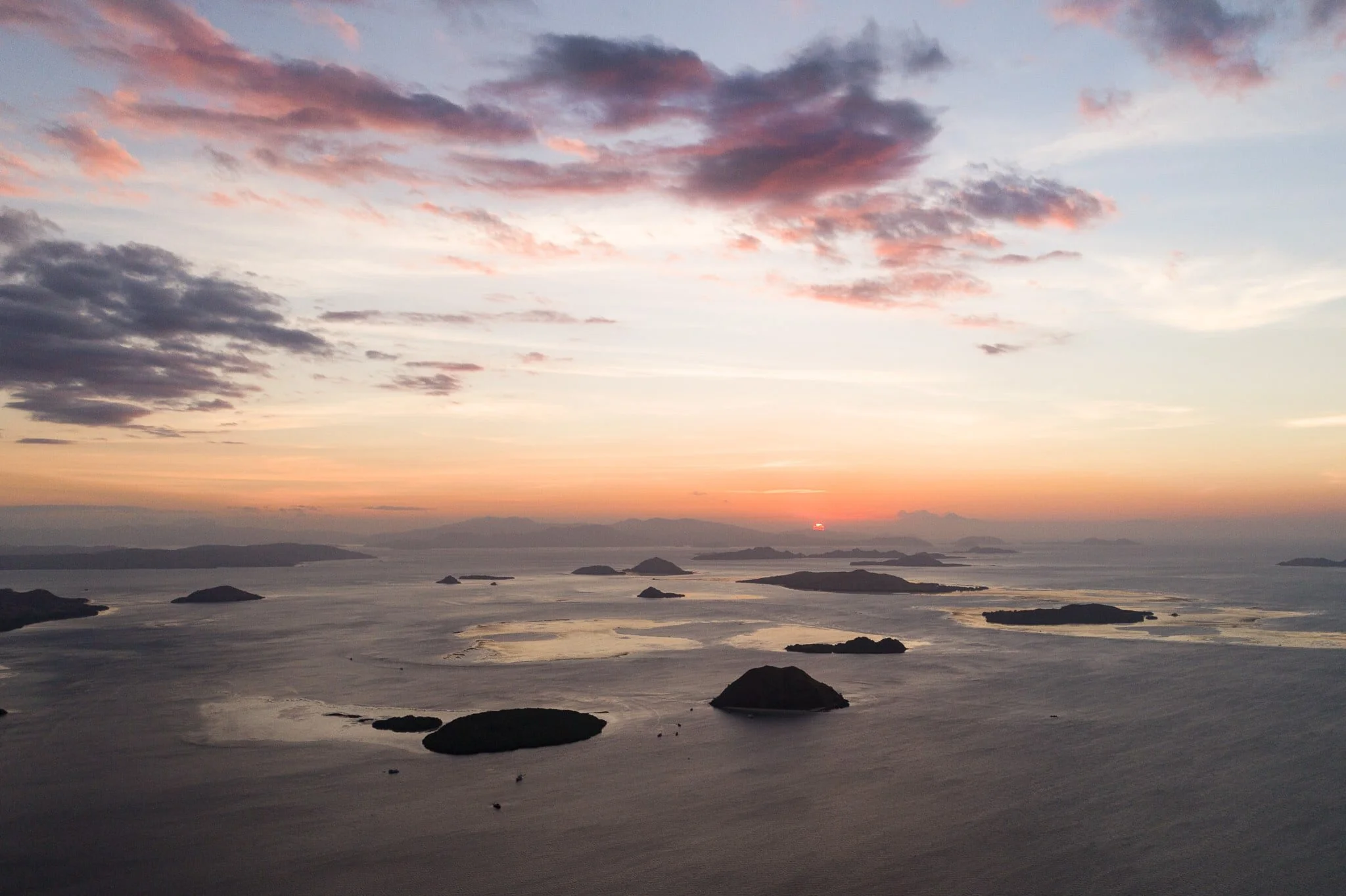
Biodiverse sites require proper buoyancy control. Macro and wide-angle photography opportunities abound, necessitating potential lens and battery changes during dive sequences. Equipment organization recommendations include using waterproof dry bags and travel towels for gear protection and pre-housing drying.
Equipment Used
Camera:
- Olympus OM-D E-M1 (land and underwater)
- Note: E-M1 mkII available with improved battery life, autofocus, and resolution
Housing:
Strobes:
- Dual Sea & Sea YS-D2 strobes
- Eneloop rechargeable batteries
Lenses:
- Panasonic 8mm fisheye (underwater)
- Olympus 60mm macro (underwater)
- Olympus 40-150mm PRO (land and wide-angle underwater)
Drone:
- DJI Phantom 4 PRO
- iPad Mini 4 controller
Camera Settings
Wide-angle:
- f/8, 1/125 sec, ISO 200
- Strobes: 16
Macro:
- f/14, 1/200 sec, ISO 200
- Strobes: 16
- Manual mode for both
General:
- Raw format shooting
- Adobe Lightroom editing
- 40-150mm lens primary for land work (f/2.8 aperture praised for low-light subjects like bats)
- Tilting LCD useful for low-angle dragon photography
Travel Insurance
Planning a trip? Don’t forget to purchase travel insurance! We use World Nomads to insure us while we’re scuba diving, snorkeling, hiking, on safari, in the Arctic…whenever we’re out and about while overseas.
Related Articles
- Diving in Byron Bay, Australia: The World’s Best Temperate Shark Dive?
- Whale Sharks in the Galapagos Islands: A Guide for Divers
- Scuba Diving Galapagos on the Humboldt Explorer
External Links
- Marine Megafauna Foundation
- Microplastics & Megafauna
- Scuba Junkie Komodo
- Manta Ray Resighting Study
- Queen of Mantas Expeditions
- Waterlust Whale Shark Collection
Tags
Komodo National Park, Indonesia, Coral Triangle, Rinca Islands, Scuba Junkie Komodo Dive Resort, Manta Rays, Marine Megafauna Foundation, Komodo Dragons, Diving Komodo, Photography Tips, Scuba Diving
Footer Links:
Who we are | In the Media | Contact | Ocean Travel | UW Photography
Best Snorkel Gear 2025 | Best Dive Gear 2025 | Best Dive Computers
Privacy | Affiliate Disclaimer | Site Map
Copyright Nature Tripper 2025